
When buyers compare die cast aluminum cookware, the first things they usually see are the shape, coating, handle and price.
But two pans that look almost identical can perform very differently in production and everyday use.
The difference often comes from details that are less visible:
- Mold structure and machining accuracy
- Aluminum material and casting control
- Body weight and thickness distribution
- Base flatness and induction construction
- Surface preparation before coating
- Coating application and curing
- Assembly and quality inspection
This is why understanding the die cast aluminum cookware manufacturing process is useful for brand owners, importers and cookware buyers. It helps explain where quality differences come from—and which production details affect the finished product.
What Is Die Cast Aluminum Cookware?
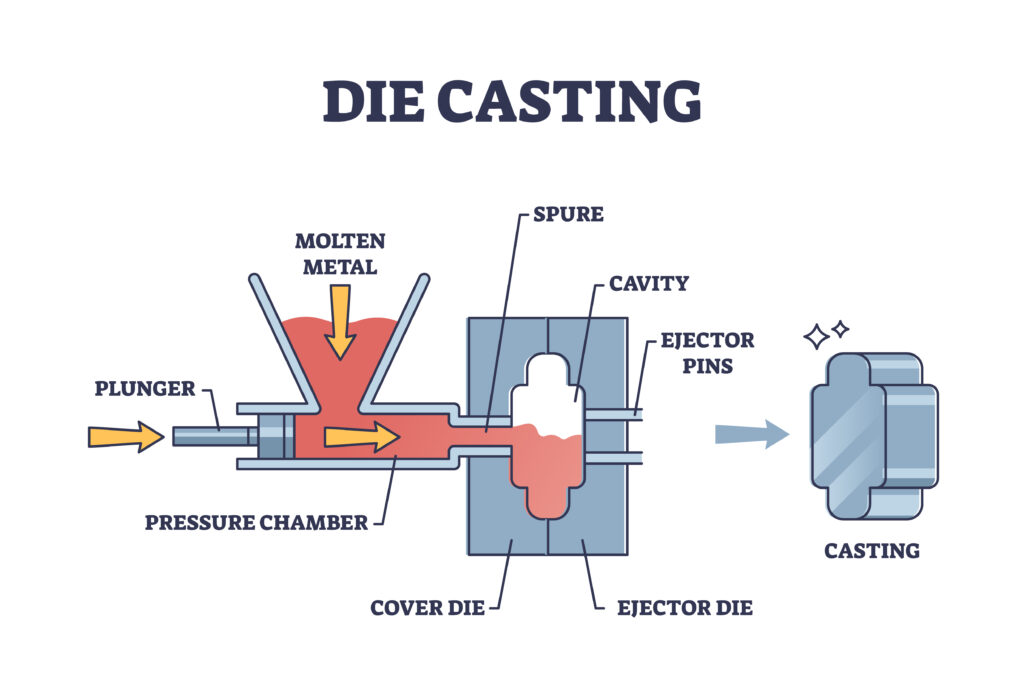
Die cast aluminum cookware is formed by injecting molten aluminum into a reusable steel mold under high pressure.
The aluminum fills the mold cavity and solidifies into the designed cookware shape. Because the body is formed inside a mold, die casting can produce deeper shapes, integrated structures and more complex exterior details than conventional pressed aluminum production.
Aluminum die casting normally uses a cold-chamber process: the aluminum is melted separately and then transferred into the injection system. The North American Die Casting Association provides a broader technical explanation of this process.
Die Cast vs Forged vs Pressed Aluminum Cookware
All three processes can produce reliable cookware when the product is designed and controlled properly. Their main differences are in forming method, structure, design freedom and cost.
| Construction | How the body is formed | Main characteristics |
|---|---|---|
| Pressed aluminum | An aluminum disc or sheet is pressed into shape | Lightweight, efficient production and suitable for entry-level to mid-market ranges |
| Forged aluminum | A thicker aluminum disc is formed under pressure | More substantial than basic pressed cookware, with good control of body shape and weight |
| Die cast aluminum | Molten aluminum is injected into a steel mold | Suitable for deeper bodies, integrated details, complex shapes and more flexible product development |
Die casting is particularly suitable when the product requires:
- A deep or structurally complex body
- Integrated handle supports or decorative details
- A heavier and more stable cooking feel
- A special base or exterior shape
- A distinctive product design that is difficult to achieve by pressing
It does not automatically make every pan better. A poorly designed mold, unstable casting weight or weak surface preparation can still lead to problems.
The complete production process therefore matters more than the forming method alone.
Step 1: Cookware Design and Mold Development
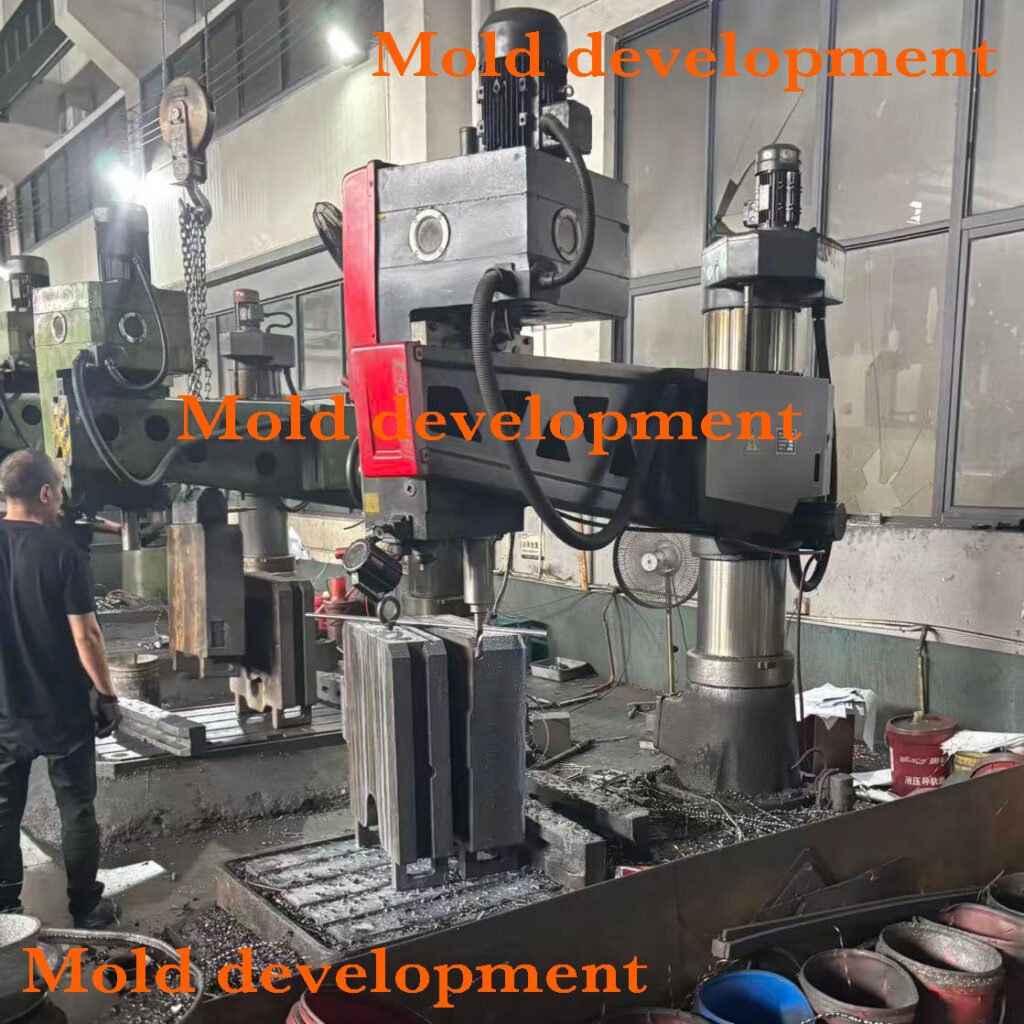
The die cast cookware production process begins before any aluminum is melted.
It starts with the product design and the mold.
The mold determines much more than the visible shape of the pan. It also influences:
- Body thickness and weight distribution
- Rim shape and lid fit
- Base diameter and flatness
- Handle connection points
- Decorative ribs or exterior textures
- Induction plate position
- Aluminum flow through the mold cavity
- Ease of trimming, machining and coating
This is why mold development is one of the most important stages in a new die cast cookware project.
A design that looks good in a drawing may still need adjustments before production. A wall may be too thin for stable filling, a handle connection may need reinforcement, or a base may need more material to remain flat after heating and cooling.
Step 2: Aluminum Melting and Material Control
After the mold is ready, the aluminum material is heated until molten.
Stable melting conditions are important because temperature and material condition affect how the aluminum flows into the mold and how the body solidifies.
If the process is not controlled properly, the casting may develop problems such as incomplete filling, surface marks or internal porosity.
Material selection also matters. The selected aluminum should be suitable for cookware production, remain consistent between batches and meet the agreed chemical and food-contact requirements.
The most expensive material is not automatically necessary for every program.
What matters is selecting a suitable material for the intended product specification, market position and testing requirements—and controlling it consistently during production.
Step 3: High-Pressure Die Casting
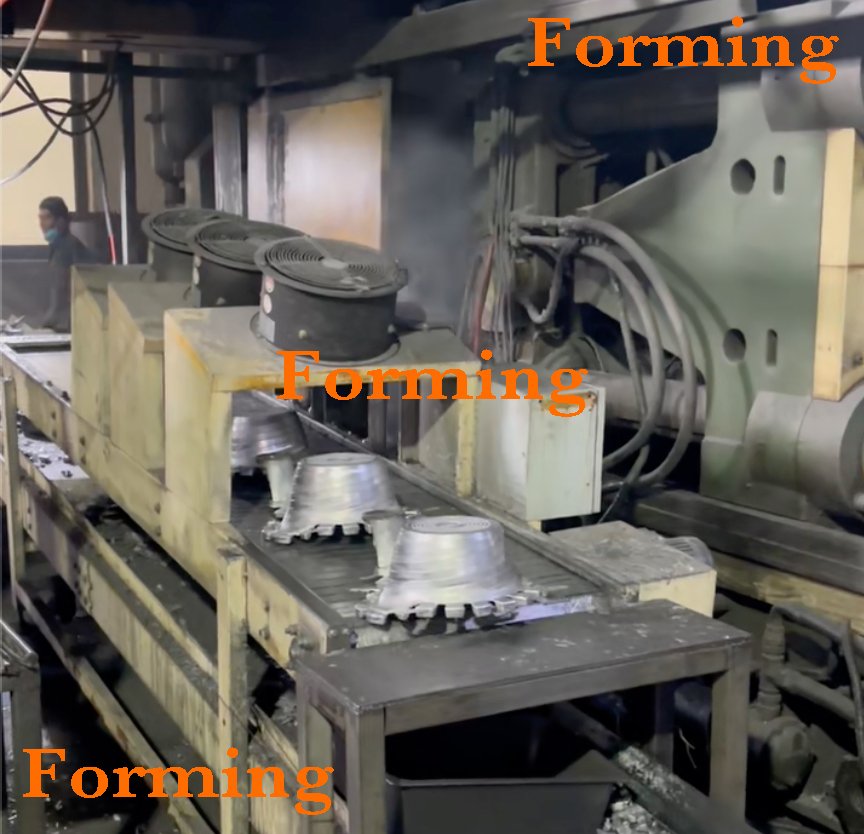
The molten aluminum is transferred into the die casting machine and injected into the steel mold under high pressure.
This pressure helps the aluminum fill the complete cavity, including the side walls, rim, base and structural details.
Several factors must work together:
- Injection speed and pressure
- Aluminum temperature
- Mold temperature
- Gate and runner design
- Venting
- Filling time
- Cooling control
These settings are not identical for every cookware design. A shallow frying pan, deep casserole and double-sided grill pan have different shapes and metal-flow requirements.
This is another reason mold design and production experience matter. The machine cannot correct every weakness in the mold, and a good mold still needs the correct casting parameters.
The aim is not simply to make the aluminum fill the mold. The aim is to produce a stable cookware body with controlled weight, clean edges and sufficient material in the areas that affect cooking performance and assembly.
Step 4: Cooling, Trimming and Body Finishing
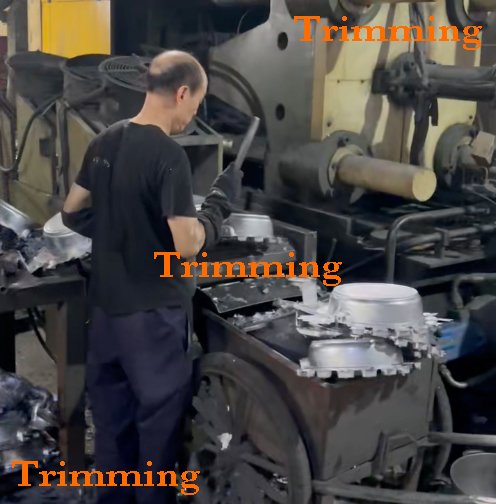
After injection, the aluminum cools and solidifies inside the mold. The cookware body is then removed for trimming and finishing.
At this stage, excess material from the gate, runner and parting line is removed. The rim, edges, handle connections and other functional areas are checked and machined where necessary.
Depending on the product design, finishing may include:
- Removing casting overflow
- Deburring sharp edges
- Machining the rim
- Drilling handle holes
- Preparing the lid seat
- Machining the bottom
- Polishing selected surfaces
- Checking body weight and dimensions
The body does not need to be equally thick in every area. In many designs, thickness is intentionally distributed according to function.
For example, the base may require more material for heat stability, while the side walls may be designed lighter to control total weight.
What matters is that the actual production follows the agreed drawing and remains consistent between pieces.
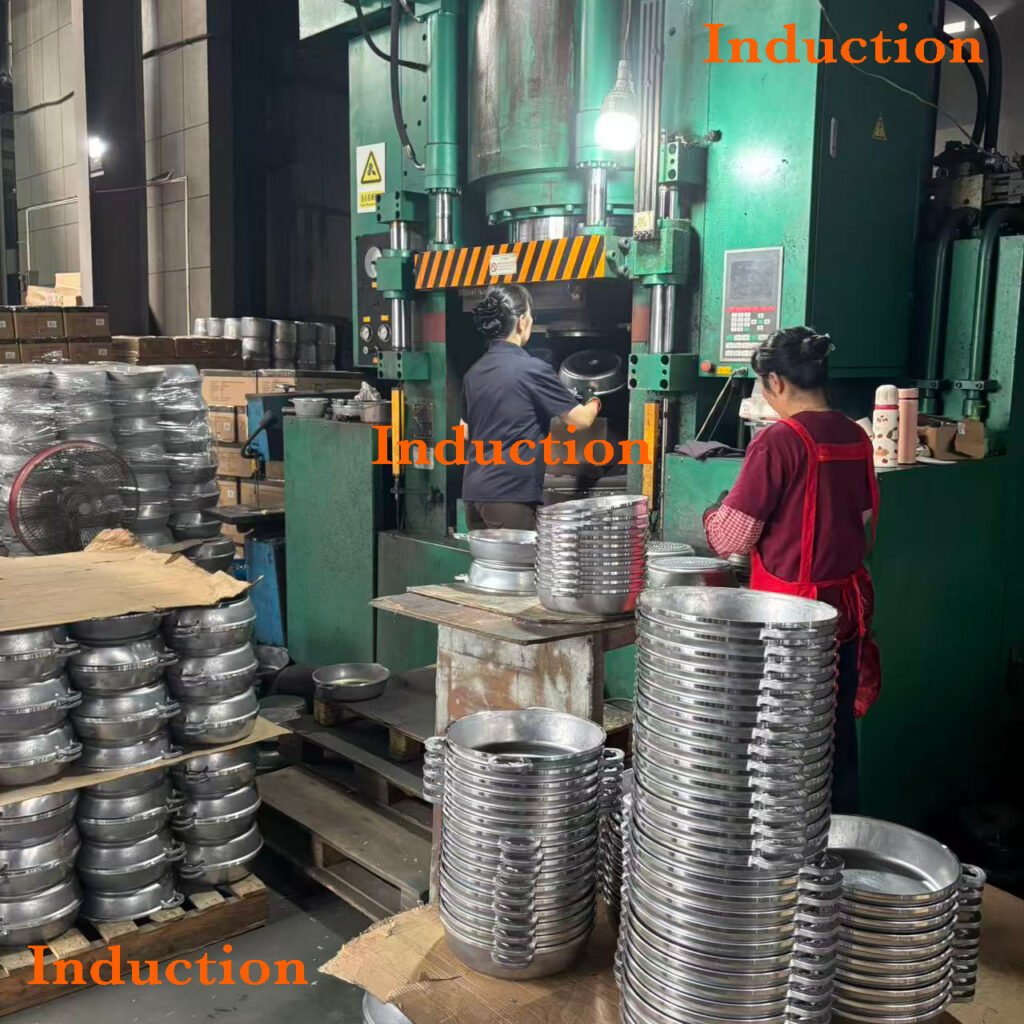
Step 5: Induction Base or Bottom Finishing
Not all die cast aluminum cookware uses the same bottom structure.
Depending on the target market and price level, the product may have:
- A standard induction base
- A full induction base
- A machined aluminum bottom for gas and electric cooktops
- A painted or coated exterior bottom
For induction-compatible cookware, a magnetic stainless steel plate is integrated with or attached to the aluminum base using the selected production method.
The base diameter, plate thickness, connection, flatness and magnetic performance all affect the final result.
A larger induction plate may improve visual proportion and heating coverage, but it can also increase cost and place more stress on the base during production.
The best specification depends on the pan size, base geometry, target cooker compatibility and price position.
Base flatness should be checked after the main heating processes, not only immediately after casting. Machining, induction-base application and coating curing can all influence the final base condition.
Important points include:
- Induction plate diameter
- Full induction or standard induction construction
- Finished-base flatness
- Compatibility with the intended cooktop market
- Induction recognition performance
Step 6: Surface Preparation and Non-Stick Coating
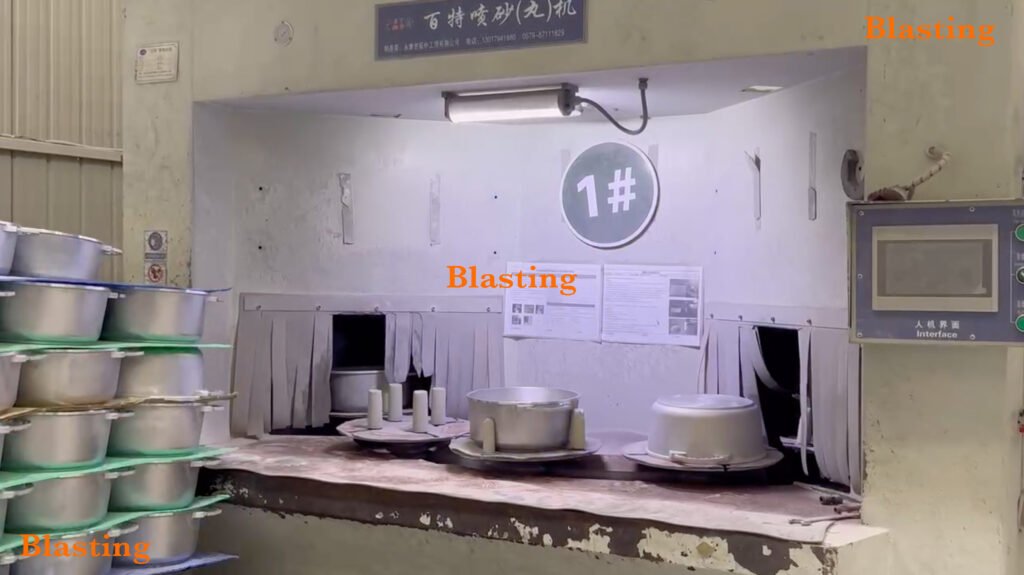
Before coating is applied, the aluminum body must be cleaned and prepared.
This stage is easy to overlook because it is not visible on the finished pan, but it has a direct effect on coating adhesion.
Depending on the coating system and product specification, preparation may include:
- Degreasing and washing
- Removing machining residue
- Sandblasting or surface roughening
- Additional rinsing
- Drying before coating
The objective is to create a clean and suitably prepared aluminum surface so that the coating system can bond properly.
Applying a good coating to a poorly prepared body does not produce a reliable result. Coating brand, layer count and marketing claims matter, but pretreatment and application control matter as well.
The selected coating may be:
- PTFE-based non-stick coating
- PFAS-free ceramic coating
- A multi-layer coating system selected for a particular performance or price level
The coating is sprayed in controlled layers and cured at the required temperature.
Application thickness, flash-off time, curing temperature and production-line cleanliness can all affect appearance and performance.
Important coating details include:
- Coating type and supplier
- Number of coating layers
- Intended color and gloss level
- Food-contact testing requirements
- Abrasion and adhesion performance
- Dishwasher claims, if required
- Maximum use temperature
The exterior may use heat-resistant paint, a decorative coating or another finish according to the product design.
Step 7: Assembly and Quality Inspection
After coating, the handle, lid, knob, silicone parts and other accessories are assembled.
The finished cookware should then be inspected as a complete product—not only as a coated aluminum body.
Quality checks may include:
Body and Appearance
- Product weight and dimensions
- Rim shape and lid fit
- Base flatness
- Surface scratches, pinholes or coating marks
- Color and gloss consistency
- Logo position and appearance
Coating Performance
- Coating thickness
- Adhesion or cross-cut testing
- Non-stick performance
- Abrasion testing according to the agreed standard
- Dishwasher testing when included in the specification
Handle and Accessory Performance
- Handle fit and alignment
- Screw or rivet security
- Handle torque and strength
- Knob and lid assembly
- Heat resistance of the selected components
Cooktop and Safety Checks
- Induction recognition
- Base stability
- Thermal performance where required
- Food-contact testing for the destination market
- Mechanical testing based on the applicable cookware standard
Not every order requires the same test program. The inspection plan should reflect the product construction, market, retail claims and customer requirements.
For large-volume retail programs, repeat-order consistency is especially important. A good sample is not enough if body weight, base flatness, color or accessory quality changes during mass production.
What Common Quality Problems Should Buyers Watch For?
Most die cast cookware problems do not come from one isolated step. They usually result from the interaction between design, casting, machining, coating and assembly.
Common points to watch include:
- Unstable body weight: This may indicate inconsistent casting or a specification that is not being followed closely.
- Base rocking or spinning: This can be related to body design, cooling, machining, induction-base application or coating curing.
- Visible casting marks: Some marks can be removed during finishing, while deeper defects may remain visible after coating.
- Porosity and coating blisters: Gas trapped inside the aluminum body during die casting can form internal pores or air pockets. During coating curing, the trapped gas may expand or escape through the surface, creating visible bubbles, pinholes or blisters in the coating. When this happens, the problem may come from the casting stage rather than the coating itself. Simply repairing or recoating the surface may not solve the underlying defect.
- Poor coating adhesion: This may come from insufficient cleaning, weak surface preparation, incorrect application or curing problems.
- Uneven induction-base connection: This can affect appearance, flatness and cooktop performance.
- Loose handles or poor alignment: This usually relates to hole position, accessory tolerances or assembly control.
- Inconsistent color or finish: This can result from coating thickness, spraying conditions, curing or batch control.
A reliable supplier should be able to explain how these points are controlled instead of discussing only the coating name or final appearance.
Why Mold Development Capability Matters
Mold development is one of the less visible but most important parts of a die cast cookware project.
Our die cast cookware molds are developed and manufactured by our own mold-making team. The same team also supplies molds to several established cookware manufacturers in China.
This experience gives us more direct control over:
- Design feasibility before mold production
- Mold machining accuracy
- Body thickness and weight distribution
- Trial-mold adjustments
- Development scheduling
- Mold repair and maintenance
- Future modifications to related sizes or structures
Different buyers begin a project with different levels of technical detail.
Some experienced buyers provide complete drawings and specifications, including product size, target weight, wall and base thickness, induction structure, coating, handle and lid details. In this case, we can develop the cookware and mold according to their requirements.
Other buyers may begin with only a preferred appearance, target size, reference sample or general market requirement. They may not yet have a complete technical specification.
Based on our cookware and mold-development experience, we can recommend suitable body thickness, weight distribution, induction-base construction and other structural details according to the target market, intended price level and product requirements.
The objective is to translate the buyer’s concept into a practical mold design that can be produced consistently, while keeping the development time, product quality and final cost under better control.
The Balance Between Quality and Cost
The highest quotation does not automatically guarantee the best cookware, and the lowest quotation may hide differences in body weight, base structure, coating, accessories or inspection.
Our approach is to protect the specifications that most affect production consistency while controlling cost through mature manufacturing, tooling experience and practical material selection.
This positions our die cast cookware above basic entry-level production in terms of stability and finishing, while keeping the price commercially competitive for importers, brands and retail programs.
Experience with large-volume retail requirements has also made repeat-order consistency, testing, packaging execution and delivery control important parts of product development.
The objective is not to add every expensive feature. It is to select the right body, base, coating and accessories for the intended market—and avoid reducing specifications in areas that may create quality problems later.
Frequently Asked Questions
Is Die Cast Aluminum Cookware Better Than Forged Cookware?
Not in every situation.
Die casting offers more freedom for deep bodies, integrated details and complex shapes.
Forged cookware can provide a strong balance of weight, production efficiency and price for conventional frying pans and cookware sets.
The better option depends on the product design, target cost, consumer preference and market position.
Can You Develop a Custom Die Cast Cookware Mold?
Yes. We support custom mold development for new cookware shapes, coordinated size ranges and functional structures.
If the buyer already has a complete drawing and specification, the mold can be developed according to those requirements.
If the project begins with only a product concept, target size or reference sample, we can also recommend the body structure, thickness, weight and induction details based on the intended market and target price.
Can Die Cast Cookware Be Used on Induction?
Yes, when a suitable magnetic induction base is included.
Die cast aluminum itself is not magnetic. Induction performance therefore depends on the stainless steel base, its diameter, connection, flatness and compatibility with the cooker.
Which Coatings Are Available?
PTFE-based non-stick and PFAS-free ceramic coating options are available.
The appropriate system depends on the destination market, target price, color requirement, cooking performance and regulatory strategy.
How Long Does New Mold Development Take?
For a single cookware model, mold development generally takes around 30–45 days.
The exact timing depends on the product size, body structure, mold complexity and the number of adjustments required during development.
Because the molds are developed by our own mold-making team, we can manage the schedule, trial feedback and modifications more directly. A more accurate timeline can be provided after reviewing the product drawing, reference sample or initial design concept.
Final Thoughts
The die cast aluminum cookware manufacturing process is not only about injecting molten aluminum into a mold.
The finished product is the result of several connected systems:
- The mold controls shape, structure and production stability.
- Casting controls how the aluminum body is formed.
- Machining and bottom finishing affect fit and flatness.
- Surface preparation supports coating adhesion.
- Coating and curing affect appearance and cooking performance.
- Assembly and inspection determine whether the complete product meets the agreed specification.
For brand owners and importers, the most useful approach is to evaluate these systems together.
A visually attractive sample is important, but mold capability, production consistency, base stability, coating preparation and repeat-order control are what make a die cast cookware program reliable over time.
Chinchin International supports private-label die cast aluminum cookware projects with custom molds, body specifications, coatings, induction bases, handles, lids, logos and packaging.
Contact us to discuss the product design, target market and testing requirements for your next cookware range.